Let the Dice Fall — BG3 Punishes Caution More Than Mistakes
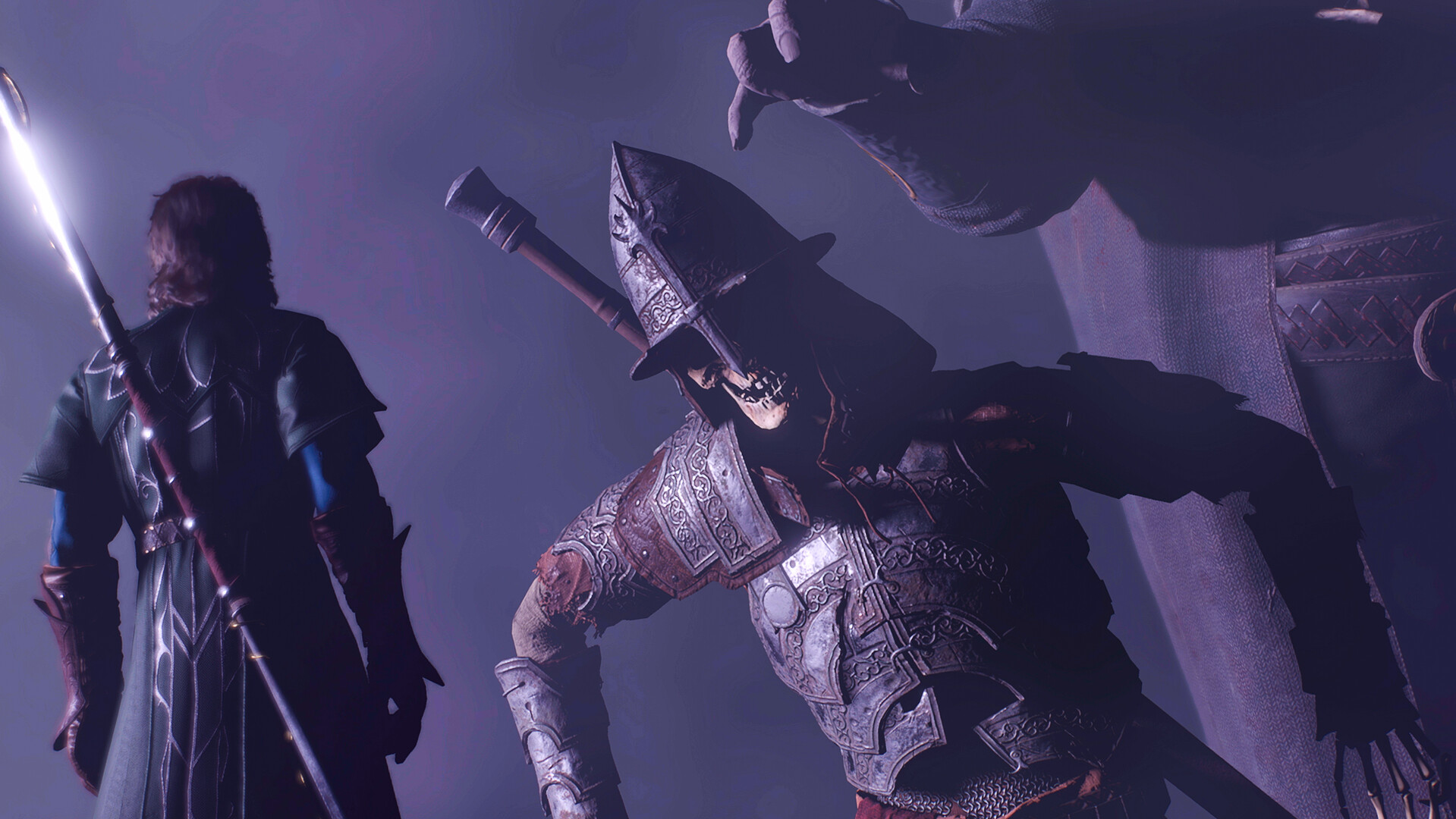
Baldur&#folio-qpuh-gsnf;s Gate 3 has a reputation problem among people who haven&#folio-qpuh-gsnf;t played it yet. They hear &#folio-qpuh-gsnf;D&D rules&#folio-qpuh-gsnf; and imagine a spreadsheet. They see the dice rolling on screen and assume failure means reloading. Neither is true, but Larian hasn&#folio-qpuh-gsnf;t done much to correct the impression. The tutorial does the basics. It does not prepare you for how the game actually wants to be played.
The core tension in BG3 is not between your character build and the enemy — it&#folio-qpuh-gsnf;s between your instinct to control every outcome and the game&#folio-qpuh-gsnf;s insistence that uncertainty is the point. Players who reload every failed roll tend to get slower, not better. The game is built around managing consequences, not eliminating them. That&#folio-qpuh-gsnf;s the thing worth internalizing before anything else.
Stop Reloading on Every Failed Roll
This is the most common trap. You fail a Persuasion check, the NPC turns hostile, you reload. You miss an attack in combat, things go sideways, you reload. After a few hours of this, the game starts to feel grinding and mechanical. It isn&#folio-qpuh-gsnf;t. You&#folio-qpuh-gsnf;re just playing it wrong.
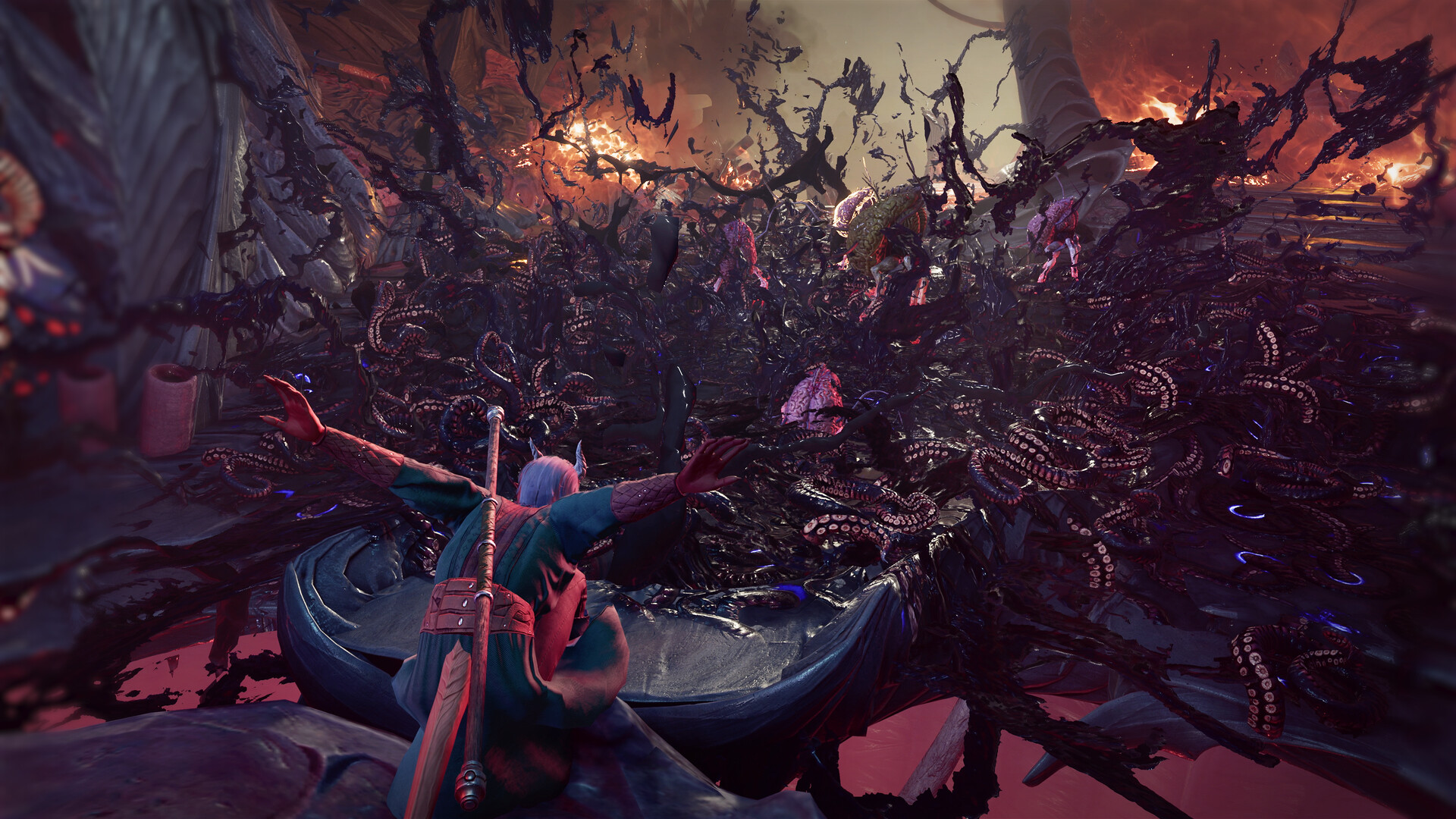 Atmospheric detail in Baldur&#folio-qpuh-gsnf;s Gate 3.
Failed rolls frequently open side paths that successful ones close off. A failed Deception check with a gate guard might escalate to a fight — which, depending on your party composition, you could win easily, and which might expose a hidden passage behind the guardhouse you&#folio-qpuh-gsnf;d never have found otherwise. Larian&#folio-qpuh-gsnf;s level design rewards people who keep moving through failure. It punishes people who treat every scene like a puzzle with a single correct answer.
The one exception worth naming: some dialogue checks early in Act 1, specifically around the Goblin Camp and the Druid Grove, can lock off entire quest lines if you push too hard in the wrong direction. But even then, the game doesn&#folio-qpuh-gsnf;t end. It redirects. Get comfortable with redirection.
Positioning in Combat Is Half Your Damage
BG3 uses the D&D 5th edition ruleset, and one of the things that ruleset does well is make spatial positioning mechanically significant. High ground grants a bonus to attack rolls. Shoving an enemy off a ledge deals fall damage and removes them from the fight for a turn. Flanking, surfaces, and elevation aren&#folio-qpuh-gsnf;t atmospheric — they&#folio-qpuh-gsnf;re arithmetic.
New players often move their characters to wherever looks logical and then attack. Experienced players spend the first turn repositioning. Getting Astarion — or whoever you&#folio-qpuh-gsnf;re running as your ranged attacker — onto elevated terrain before firing can be the difference between hitting consistently and spending two turns missing. The game&#folio-qpuh-gsnf;s camera lets you scout elevation before committing, which is worth using every single combat until it becomes habit.
Surfaces are worth a separate mention. Fire, ice, and electrified water interact with spells and abilities in ways the game explains poorly. Casting Grease and then igniting it is effective. Casting Lightning Bolt into a puddle your own party is standing in is less so. The surface system has real depth, but it will absolutely burn you before it benefits you if you&#folio-qpuh-gsnf;re not paying attention.
Your Party Composition Doesn&#folio-qpuh-gsnf;t Need to Be Optimal
There&#folio-qpuh-gsnf;s a corner of BG3 discourse that treats party composition like a solved problem. Four-person parties with specific multiclass builds, particular ability score distributions, certain combinations of concentration spells. If that&#folio-qpuh-gsnf;s interesting to you, it&#folio-qpuh-gsnf;s there. But BG3 is not a game that requires it, and chasing optimization before you understand the base systems is counterproductive.
The game ships with origin companions who cover most functional needs across a playthrough. Shadowheart handles healing and support. Gale brings arcane firepower. Lae&#folio-qpuh-gsnf;zel is a straightforward frontline fighter. Astarion offers rogue utility. You do not need to agonize over replacing them with a custom-built sorcerer unless you have a specific reason. Play the characters the game gives you, learn what their abilities actually do in practice, and build from there.
Read Your Spell Descriptions. Actually Read Them.
This sounds basic. It isn&#folio-qpuh-gsnf;t. BG3 adapts 5e rules closely enough that the spell interactions are genuinely complex, and the in-game tooltips carry real information if you take thirty seconds to read them. Spells like Hold Person specify that it only works on humanoids — which means it won&#folio-qpuh-gsnf;t lock down the goblin worg you&#folio-qpuh-gsnf;re fighting, because worgs are beasts. Spells like Silence create zones that prevent verbal spell components, which is extremely useful against enemy casters if you know about it and completely wasted if you drop it in the wrong place.
Concentration is the mechanic most players mismanage in early hours. Many powerful spells require Concentration to maintain — meaning if you cast Bless and then get hit and fail the Constitution saving throw, Bless drops. Only one Concentration spell can be active per character at a time. Building a character who can maintain Concentration reliably (higher Constitution, the War Caster feat, a Shield of Devotion) changes how those spells function entirely. Most players don&#folio-qpuh-gsnf;t notice this system is even running until it bites them.
Short Rests Are Free. Use Them.
Long Rests restore all spell slots and abilities but advance time in ways that have narrative consequences in certain stretched parts of the story. Short Rests are limited per Long Rest cycle, cost nothing, and restore a chunk of resources for specific classes — Warlocks get their spell slots back, Fighters get Action Surge back, Warlocks in particular are almost broken if you&#folio-qpuh-gsnf;re resting properly. Many new players hoard Short Rests like they&#folio-qpuh-gsnf;re rationing supplies. There&#folio-qpuh-gsnf;s no reason to.
The Warlock point is genuinely underappreciated. Their Pact Magic spell slots are few but recharge on a Short Rest rather than a Long Rest. A Warlock who Short Rests frequently operates at full capacity for most of an adventuring day. A Warlock who saves Short Rests runs dry by the second fight and spends the rest of the session using a crossbow. The difference is not subtle.
Exploration Rewards Thoroughness Without Requiring Perfection
BG3&#folio-qpuh-gsnf;s maps are dense. Particularly in Act 1 around the Underdark and the Blighted Village, there are corners of the map that most players on a first run never find. Some of those corners have equipment that reshapes builds. Some have quest-relevant information. A few are just interesting. The game does not mark optional areas aggressively — it trusts you to wander.
Using Perception passively while walking surfaces hidden items and traps, but the Investigate action in specific spots can unlock entire hidden areas that Perception alone won&#folio-qpuh-gsnf;t flag. The distinction matters. If a wall looks odd, try interacting with it directly rather than waiting for a passive roll to trigger. Larian&#folio-qpuh-gsnf;s environmental design hides things in places that feel natural once you find them but are entirely invisible until you do.
None of this requires a guide. The game&#folio-qpuh-gsnf;s first playthrough is best experienced without one, honestly. The goal here isn&#folio-qpuh-gsnf;t to map every room — it&#folio-qpuh-gsnf;s to approach the world with the assumption that there&#folio-qpuh-gsnf;s probably something interesting just off the path you&#folio-qpuh-gsnf;re already on. Because there usually is. BG3&#folio-qpuh-gsnf;s greatest quality as a design object is that it takes your willingness to risk something and returns it with interest. The players who get the most out of it are the ones who stopped trying to make every roll count and started letting the story find its own shape.
Reader Q&A
Is this guide spoiler-free?
We avoid story spoilers. Mechanics and systems are explained directly, but plot beats are not covered.
How current is this guide?
Updated for the most recent patch as of June 2026. Major balance changes are noted inline.
Do I need DLC for these strategies to work?
No. Everything covered here applies to the base game. Where DLC content is referenced, we mark it clearly.
Will following this guide work on hardest difficulty?
Mostly — yes. A few strategies become tight on hardest difficulty; we flag those where relevant.